Modern Metal Siding Designs for Contemporary Buildings sets the stage for this enthralling narrative, offering readers a glimpse into a story that is rich in detail and brimming with originality from the outset. From the importance of modern metal siding in enhancing architectural appeal to the trends and benefits associated with it, this topic delves deep into the world of contemporary building design.
Importance of Modern Metal Siding in Contemporary Architecture
Metal siding plays a crucial role in the modern architectural landscape, offering a range of benefits that contribute to the overall design and functionality of contemporary buildings.
Enhancing Aesthetic Appeal
Modern metal siding can greatly enhance the aesthetic appeal of contemporary buildings. Its sleek and clean lines provide a modern and sophisticated look that complements the overall design. The variety of colors and finishes available in metal siding allow architects and designers to create unique and visually striking facades that stand out in urban environments.
Functionality and Durability
In addition to its aesthetic benefits, modern metal siding also offers practical advantages. Metal siding is highly durable, resistant to elements like rain, wind, and UV rays, making it a long-lasting and low-maintenance siding option for buildings. This durability ensures that the structure remains protected and retains its visual appeal over time.
Innovative Uses in Architectural Projects
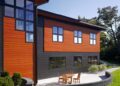
Architects and designers are increasingly exploring innovative ways to incorporate modern metal siding into their projects. From using perforated metal panels to create interesting patterns and textures to combining metal siding with other materials like wood or glass to achieve a unique design aesthetic, the possibilities are endless.
Projects like the Guggenheim Museum Bilbao in Spain, with its iconic titanium metal cladding, showcase the creative and innovative uses of modern metal siding in contemporary architecture.
Trends in Modern Metal Siding Designs
Metal siding designs for contemporary buildings have evolved over the years, reflecting changing tastes, technological advancements, and environmental concerns. Let's explore some of the current trends in modern metal siding designs.
Color Trends
In recent years, there has been a shift towards bold and unconventional colors in modern metal siding designs. While traditional colors like grey and beige are still popular, architects and designers are increasingly opting for vibrant hues such as red, blue, and even black.
These bold colors help buildings stand out and make a statement in urban landscapes.
Texture and Finish Variations
Another trend in modern metal siding designs is the use of textured and varied finishes. From matte to glossy, smooth to ribbed textures, metal siding now offers a wide range of options to add visual interest and depth to building facades.
Textured finishes not only enhance the aesthetics but also provide a tactile experience for occupants and visitors.
Sustainability and Eco-friendliness
With a growing emphasis on sustainability and eco-friendliness, modern metal siding designs are incorporating green features such as solar panels, rainwater harvesting systems, and energy-efficient insulation. Metal siding itself is a sustainable choice as it can be recycled at the end of its lifespan, reducing waste and environmental impact.
By integrating eco-friendly elements, contemporary buildings can reduce their carbon footprint and contribute to a greener future.
Benefits of Modern Metal Siding for Contemporary Buildings
Metal siding offers numerous advantages over traditional materials in contemporary construction. From durability and low maintenance to energy efficiency and insulation properties, modern metal siding is a popular choice for architects and homeowners alike.
Durability and Low Maintenance
Modern metal siding is known for its exceptional durability, able to withstand harsh weather conditions and resist damage from pests and rot. This longevity means less frequent repairs and maintenance, saving time and money in the long run.
Energy Efficiency and Insulation
Metal siding can improve the energy efficiency of a building by providing a tight seal against air infiltration. Additionally, some metal siding products come with insulation options that help regulate temperature and reduce heating and cooling costs. This makes modern metal siding a sustainable choice for environmentally conscious projects
Application and Installation of Modern Metal Siding
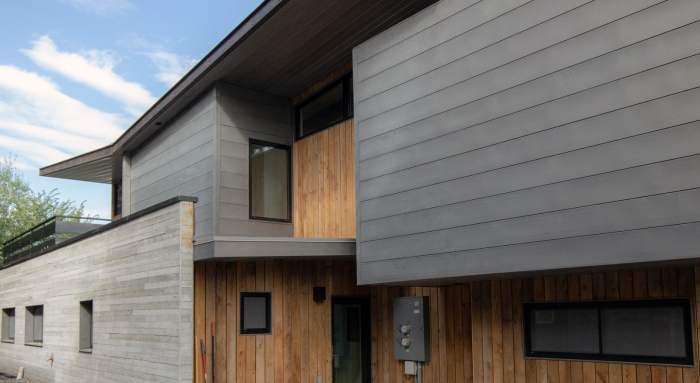
Metal siding installation can significantly enhance the aesthetics and durability of contemporary buildings. Here is a step-by-step guide on how to install modern metal siding and its versatility in various architectural styles.
Step-by-Step Guide on Installing Modern Metal Siding
- Prepare the surface: Ensure the building's exterior is clean, smooth, and free of any debris before installation.
- Measure and cut: Accurately measure the dimensions of the walls and cut the metal siding panels accordingly.
- Install the starter strip: Begin by installing the starter strip at the bottom of the wall to provide a secure base for the siding panels.
- Attach the siding panels: Secure the metal siding panels to the wall using nails or screws, ensuring they are properly aligned and leveled.
- Finish the corners and edges: Use corner pieces and trim to complete the look and ensure a seamless finish.
- Inspect and maintain: Regularly inspect the metal siding for any damage or wear and perform maintenance as needed to prolong its lifespan.
Versatility of Modern Metal Siding in Various Architectural Styles
- Modern minimalistic designs: Metal siding complements contemporary architecture with its sleek and clean lines.
- Industrial aesthetics: Metal siding adds an industrial touch to buildings, perfect for loft-style or warehouse conversions.
- Traditional charm: Even in traditional or rustic architectural styles, modern metal siding can offer a unique and updated look.
Key Considerations for Different Climates
- Insulation: Choose metal siding with adequate insulation to regulate indoor temperatures in extreme climates.
- Weather resistance: Opt for metal siding that is resistant to corrosion, fading, and damage from harsh weather conditions.
- Ventilation: Ensure proper ventilation behind the siding to prevent moisture buildup, especially in humid climates.
Final Conclusion
In conclusion, Modern Metal Siding Designs for Contemporary Buildings encapsulates the essence of innovation and sustainability in architectural design. It showcases the versatility and durability of modern metal siding while emphasizing its role in shaping the buildings of tomorrow. This topic serves as a gateway to a world where aesthetics meet functionality in perfect harmony.
Popular Questions
Is modern metal siding only about aesthetics?
While modern metal siding does enhance the visual appeal of buildings, it also plays a crucial role in providing durability and low maintenance features.
How does modern metal siding contribute to energy efficiency?
Modern metal siding often comes with insulation properties that help in maintaining energy efficiency within buildings, reducing the need for excessive heating or cooling.
Can modern metal siding be customized to suit different architectural styles?
Yes, modern metal siding is versatile and can be tailored to complement various architectural designs, making it a flexible choice for contemporary buildings.



![How To Replace Siding On A House [Step By Step Guide]](https://siding.harianhaluan.com/wp-content/uploads/2025/10/worker-installing-panels-beige-siding-on-the-facade-of-the-house-How-To-Replace-Siding-On-A-House-Step-By-Step-Guide-120x86.png)