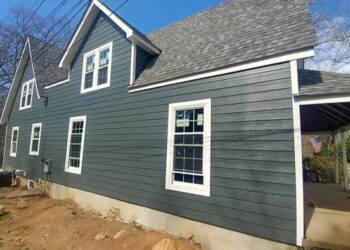
Siding Solutions for Coastal and Humid Climates sets the stage for this enthralling narrative, offering readers a glimpse into a story that is rich in detail and brimming with originality from the outset.
As we delve into the world of siding solutions for coastal and humid climates, we uncover a plethora of insights that guide us through the nuances of selecting the right materials and installation techniques for optimal performance in challenging environments.
Types of Siding Materials
When it comes to choosing siding materials for coastal and humid climates, durability and maintenance are key factors to consider. Let's explore the characteristics of vinyl, fiber cement, and engineered wood siding in these specific environments.
Vinyl Siding
Vinyl siding is a popular choice for coastal and humid climates due to its resistance to moisture, salt, and humidity. It does not rot, warp, or corrode, making it a low-maintenance option. However, vinyl siding may fade over time and is susceptible to cracking in extreme weather conditions.
Fiber Cement Siding
Fiber cement siding is known for its durability and resistance to moisture, making it a suitable option for coastal areas. It is resistant to rot, termites, and fire, but it may require repainting over time. Proper installation is crucial to prevent moisture infiltration behind the siding.
Engineered Wood Siding
Engineered wood siding combines wood fibers and resin to create a durable and moisture-resistant material. It offers the natural look of wood with added protection against rot, insects, and moisture. Regular maintenance, such as painting and sealing, is necessary to prolong the lifespan of engineered wood siding in coastal and humid climates.
Installation Considerations
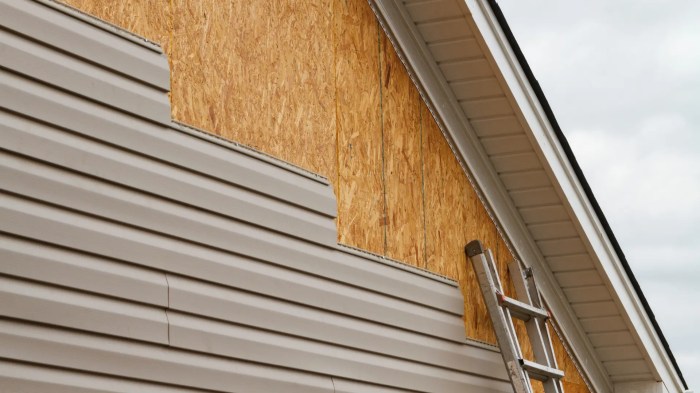
Proper installation techniques are crucial when it comes to siding in coastal and humid regions. These areas are prone to harsh weather conditions, including high winds, saltwater exposure, and moisture, which can significantly impact the longevity and performance of siding materials.
Challenges Faced During Siding Installation
- Moisture Control: Excess moisture can lead to mold, mildew, and rot, so it's essential to properly seal all joints and seams during installation.
- Wind Resistance: Coastal areas often experience strong winds, so ensuring the siding is securely attached to the structure is key to preventing damage.
- Saltwater Exposure: Saltwater can corrode certain siding materials, so selecting corrosion-resistant options and proper installation methods is crucial.
- Temperature Fluctuations: Humid climates can experience extreme temperature changes, causing siding materials to expand and contract. Proper fastening techniques are necessary to accommodate these movements.
Tips for Secure and Weather-Resistant Siding Installation
- Choose the Right Material: Opt for siding materials that are specifically designed to withstand coastal and humid conditions, such as vinyl, fiber cement, or engineered wood.
- Hire a Professional Installer: Proper installation is key to ensuring the longevity and performance of your siding. Hiring a professional with experience in coastal and humid climates can help avoid costly mistakes.
- Follow Manufacturer Guidelines: Always adhere to the manufacturer's installation instructions to guarantee the warranty coverage and proper performance of the siding material.
- Use Weather-Resistant Fasteners: Stainless steel or galvanized nails and screws are recommended to prevent rust and corrosion in salty coastal environments.
- Implement Proper Flashing: Flashing around windows, doors, and other openings is essential to prevent water infiltration and ensure a watertight seal.
Moisture Protection
In coastal and humid climates, moisture protection is crucial in siding solutions to prevent damage and maintain the integrity of the building structure. Moisture barriers and insulation play a significant role in ensuring that the siding is protected from water intrusion and humidity.
Significance of Moisture Barriers and Insulation
Moisture barriers, such as house wraps or building paper, are essential in preventing water infiltration into the walls and protecting the underlying structure. Insulation not only helps regulate indoor temperature but also acts as a barrier against moisture, reducing the risk of condensation and mold growth.
Ventilation for Moisture Prevention
Proper ventilation is key to preventing moisture-related issues with siding in coastal and humid areas. Adequate airflow helps to reduce humidity levels within the walls, preventing condensation and mold growth. Ventilation systems like soffit vents, ridge vents, or gable vents can help maintain a dry and well-ventilated environment behind the siding.
Addressing Moisture Problems
If moisture problems arise with siding in these climates, it is important to address them promptly to prevent further damage. Inspect the siding regularly for signs of water damage, such as discoloration, warping, or mold growth. In case of any issues, it may be necessary to replace damaged siding, repair leaks, or improve ventilation to mitigate moisture problems effectively.
Coastal Specific Challenges
Coastal regions present unique challenges for siding solutions due to the harsh environment they are exposed to. Factors such as saltwater exposure, high humidity, and extreme weather conditions can significantly impact the longevity and performance of siding materials.
Impact of Saltwater Exposure on Siding Materials
Saltwater exposure can accelerate the deterioration of siding materials, leading to corrosion, discoloration, and warping. Certain materials like wood may be more susceptible to salt damage compared to others like vinyl or fiber cement. It is crucial to choose siding materials that are resistant to saltwater and have a protective coating to prevent damage.
Design Considerations for Coastal Homes
When designing siding solutions for coastal homes, it is essential to prioritize durability and resistance to environmental factors. Opt for materials that are specifically designed for coastal areas, such as fiber cement or metal siding. Additionally, proper installation techniques, including sealing gaps and using corrosion-resistant fasteners, can enhance the longevity of the siding and protect the home from moisture infiltration.
Last Point
In conclusion, the exploration of siding solutions for coastal and humid climates unveils a world of possibilities and considerations that are essential for ensuring durability and longevity in the face of nature's elements.
Essential Questionnaire
What are the best siding materials for coastal areas?
Fiber cement and engineered wood are excellent choices due to their durability and resistance to moisture.
How can I protect my siding from saltwater exposure in coastal regions?
Applying a protective sealant and regular cleaning can help mitigate the effects of saltwater on siding materials.
What are the key challenges faced during siding installation in humid climates?
Humidity can impact adhesion and drying times, requiring extra care during installation to ensure a proper fit and finish.





![How To Replace Siding On A House [Step By Step Guide]](https://siding.harianhaluan.com/wp-content/uploads/2025/10/worker-installing-panels-beige-siding-on-the-facade-of-the-house-How-To-Replace-Siding-On-A-House-Step-By-Step-Guide-120x86.png)