Exploring the differences between Vinyl and Wood Siding for New Constructions, this introduction sets the stage for an insightful comparison. It delves into the key aspects of each material, shedding light on their unique characteristics and benefits in a concise yet engaging manner.
The following paragraphs will provide a detailed analysis of Vinyl and Wood Siding, covering aspects such as durability, maintenance, cost, and installation processes to help you make an informed decision for your construction project.
Vinyl Siding Features
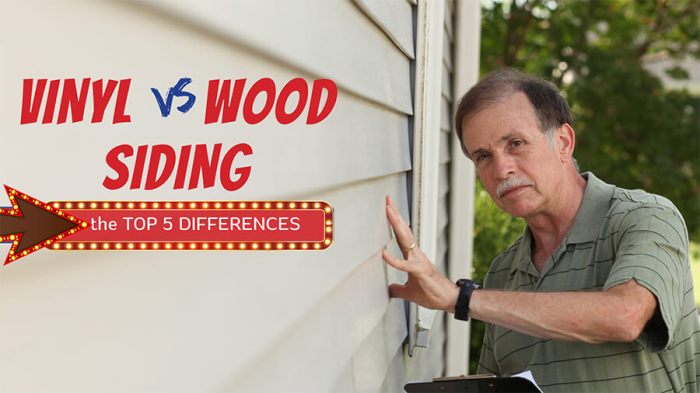
Vinyl siding is a popular choice for new constructions due to its versatile features and benefits. It is made from PVC resin and comes in a variety of colors and textures to suit different architectural styles.
Characteristics of Vinyl Siding
- Weather-resistant: Vinyl siding can withstand harsh weather conditions, including rain, snow, and UV rays, without fading or rotting.
- Low maintenance: Unlike wood siding, vinyl siding does not require painting or staining, making it easy to clean with just soap and water.
- Durable: Vinyl siding is known for its longevity, as it does not warp, crack, or peel over time, ensuring a long-lasting exterior for your home.
- Cost-effective: Vinyl siding is an affordable option compared to wood siding, offering a great value for new construction projects.
Benefits of Using Vinyl Siding
- Energy-efficient: Vinyl siding can improve the insulation of your home, reducing energy costs by maintaining a consistent indoor temperature.
- Versatility: With a wide range of colors and styles available, vinyl siding can enhance the curb appeal of your home and complement any design aesthetic.
Comparing Durability
Vinyl siding is generally more durable than wood siding, as it does not require frequent maintenance or replacement. Wood siding is prone to rotting, insect damage, and warping over time, whereas vinyl siding maintains its integrity for many years.
Maintenance Requirements
- Regular cleaning: Vinyl siding should be cleaned annually with a mild detergent and water to remove dirt and debris.
- Inspection: Periodically inspect the siding for any cracks or damage, and repair as needed to prevent moisture from seeping in.
Wood Siding Features
Wood siding offers a unique set of features that make it a popular choice for new constructions. Wood siding is known for its natural beauty and warmth, adding a timeless and classic look to any home. The various types of wood available, such as cedar, pine, and redwood, offer different textures and colors, allowing for a customizable aesthetic appeal that can enhance the overall design of a building.
Aesthetic Appeal
Wood siding is prized for its natural look and feel, giving homes a warm and inviting appearance. It can be stained or painted in a variety of colors to suit different architectural styles, making it a versatile option for homeowners looking to achieve a specific aesthetic for their new construction project.
- Wood siding can be easily customized to match the design preferences of the homeowner, offering a unique and personalized look.
- The natural grain and texture of wood add character and charm to a building, creating a sense of authenticity and craftsmanship.
- Wood siding ages beautifully over time, developing a patina that enhances its appeal and adds to the overall character of the home.
Cost Comparison
While wood siding is often more expensive than vinyl siding upfront, it can offer long-term cost savings due to its durability and longevity. Properly maintained wood siding can last for decades, reducing the need for frequent replacements or repairs that may be required with vinyl siding.
Although the initial cost of wood siding may be higher, its long-term durability and aesthetic value can make it a cost-effective choice in the long run.
Environmental Impact
Wood siding is a renewable and sustainable building material, making it an environmentally friendly option for new constructions. When sourced from responsibly managed forests, wood siding has a lower carbon footprint compared to other siding materials, such as vinyl or aluminum.
- Wood siding is biodegradable and can be recycled or repurposed at the end of its lifespan, reducing waste and environmental impact.
- Choosing wood siding from certified sustainable sources helps support responsible forestry practices and conservation efforts.
Installation Process
When it comes to installing siding on a new construction, whether it's vinyl or wood, the process is a crucial step that can impact the overall look and durability of the building. Let's delve into the specific installation processes for vinyl and wood siding.
Vinyl Siding Installation Process
Installing vinyl siding involves a relatively straightforward process that many homeowners and professionals find manageable. Here are the general steps involved in installing vinyl siding:
- Prepare the surface: Ensure the surface is clean, smooth, and free of any debris or imperfections before starting.
- Install the underlayment: A moisture barrier or underlayment is typically installed to protect the building from water damage.
- Measure and cut the panels: Accurately measure and cut the vinyl panels to fit the dimensions of the building.
- Attach the panels: Secure the panels to the exterior of the building using nails or clips, following the manufacturer's instructions.
- Finish with trim and accessories: Complete the installation by adding trim pieces, corner posts, and other accessories to give the siding a polished look.
Wood Siding Installation Process
Installing wood siding requires more skill and precision compared to vinyl siding due to the nature of the material. Here are the steps involved in installing wood siding:
- Prepare the surface: Make sure the surface is properly sealed and protected against moisture to prevent rot and decay.
- Measure and cut the boards: Carefully measure and cut the wood siding boards to fit the dimensions of the building, accounting for any openings or corners.
- Install the starter strip: Begin by installing a starter strip at the bottom of the wall to ensure a level base for the siding.
- Attach the boards: Nail the wood siding boards to the wall, making sure to leave enough space for expansion and contraction.
- Apply finish: Once the siding is installed, apply a protective finish to seal and protect the wood from the elements.
Special Considerations for Vinyl Siding Installation:
- Proper ventilation: It's important to allow for proper ventilation behind vinyl siding to prevent moisture buildup and potential damage.
- Expansion and contraction: Vinyl siding can expand and contract with temperature changes, so it's essential to leave room for movement during installation.
Skill Level Required for Wood Siding Installation:
Installing wood siding requires a higher level of skill and precision compared to vinyl siding due to the need for accurate measurements, cuts, and attention to detail. It is recommended to have experience working with wood and the necessary tools before attempting to install wood siding on a new construction.
Longevity and Maintenance
When it comes to the longevity and maintenance of siding options like vinyl and wood, there are several factors to consider. Let's delve into the comparison to understand which option may be more suitable for your new construction project.
Longevity Comparison
- Vinyl siding is known for its durability and longevity, with a lifespan of 20 to 40 years, depending on the quality of the material and proper installation.
- Wood siding, on the other hand, can last anywhere from 20 to 100 years, but it requires more maintenance to prevent issues like rot, pests, and warping.
Maintaining Vinyl Siding
- Regularly clean vinyl siding with a solution of water and mild detergent to remove dirt and debris.
- Inspect for any cracks, chips, or damage, and repair or replace damaged sections promptly to prevent further issues.
- Avoid using abrasive materials or harsh chemicals when cleaning vinyl siding to prevent damage to the surface.
Maintenance of Wood Siding
- Wood siding requires regular painting or staining to protect it from moisture, UV rays, and other environmental factors.
- Inspect wood siding for signs of rot, mold, or insect infestations, and address these issues immediately to prevent further damage.
- Apply a protective sealant or finish to wood siding every few years to maintain its appearance and prolong its lifespan.
Impact of Weather Conditions
- Both vinyl and wood siding can be affected by weather conditions like extreme heat, cold, moisture, and UV exposure.
- Wood siding is more susceptible to damage from moisture, which can lead to rot and decay over time if not properly maintained.
- Vinyl siding is more resistant to moisture and UV rays, making it a low-maintenance option for areas with harsh weather conditions.
Final Summary
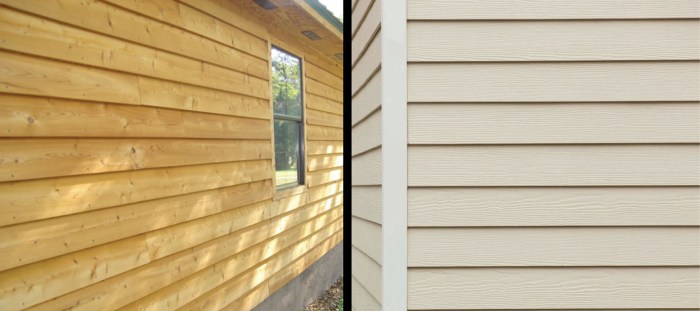
In conclusion, the comparison between Vinyl and Wood Siding for New Constructions reveals the strengths and weaknesses of each material. By weighing factors such as longevity, maintenance, and environmental impact, you can choose the siding option that best suits your needs and preferences.
FAQ Guide
What are the environmental impacts of using wood siding?
Wood siding is considered more environmentally friendly compared to vinyl siding as it is a renewable resource. However, deforestation and chemical treatment processes can still pose environmental concerns.
What special considerations are needed when installing vinyl siding?
Special attention should be paid to proper insulation and moisture barrier installation to prevent issues like mold growth and water damage behind the siding.
How do weather conditions affect the longevity of vinyl and wood siding?
Extreme weather conditions such as heavy rain, strong winds, and prolonged exposure to sunlight can impact the lifespan of both vinyl and wood siding, requiring regular maintenance and inspections.




![How To Replace Siding On A House [Step By Step Guide]](https://siding.harianhaluan.com/wp-content/uploads/2025/10/worker-installing-panels-beige-siding-on-the-facade-of-the-house-How-To-Replace-Siding-On-A-House-Step-By-Step-Guide-120x86.png)