Embark on the journey of DIY Siding Replacement Tips for Budget Renovators with this informative guide that covers everything you need to know about revamping your home exterior on a budget.
Delve into the world of siding replacement and discover the cost-effective options, benefits, and empowering sense of control it can bring to your renovation project.
Importance of DIY Siding Replacement
DIY siding replacement can be a game-changer for budget renovators looking to save money while enhancing the appearance of their home. By taking on this project yourself, you can enjoy several benefits that go beyond just cost savings.
Cost-Effective Option
One of the main reasons DIY siding replacement is favored by budget renovators is its cost-effectiveness. Hiring professionals for this job can be expensive, but by doing it yourself, you can significantly reduce labor costs and only need to cover materials.
Benefits of Tackling the Project Yourself
- Gain valuable hands-on experience and skills in home improvement.
- Customize the project to your preferences and schedule.
- Enjoy a sense of satisfaction and pride in completing a renovation on your own.
Sense of Accomplishment and Control
DIY siding replacement empowers you to take control of your renovation project, allowing you to make decisions and oversee the process from start to finish. This sense of accomplishment can be incredibly rewarding and boost your confidence in future home improvement endeavors.
Types of Siding Materials
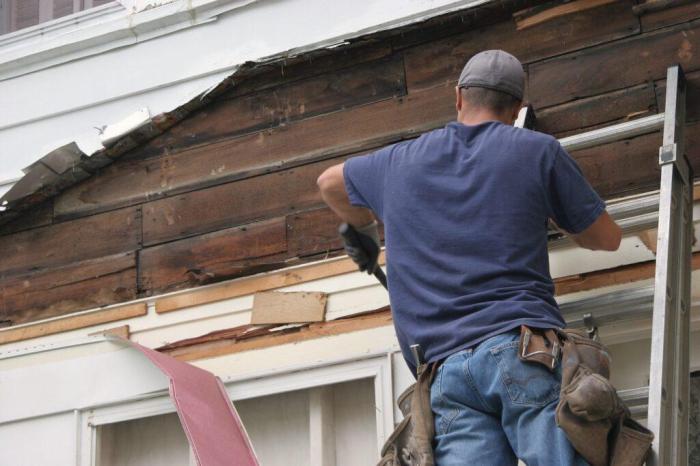
When it comes to budget-friendly siding replacements, there are several material options to consider. Each type of siding material has its own set of pros and cons, as well as varying levels of durability and maintenance requirements.
Vinyl Siding
Vinyl siding is a popular choice for budget-conscious renovators due to its affordability and low maintenance requirements. It comes in a variety of colors and styles, making it versatile for different home designs. However, vinyl siding can crack or fade over time, and it may not be as durable as other materials.
Fiber Cement Siding
Fiber cement siding is known for its durability and resistance to rot, fire, and insects. While it may be more expensive upfront compared to vinyl, it requires minimal maintenance and can last for decades. On the downside, fiber cement siding can be heavy to install and may require professional help.
Wood Siding
Wood siding offers a natural and classic look that can enhance the aesthetic appeal of a home. While wood siding is more environmentally friendly than other materials, it requires regular maintenance, such as painting or staining, to prevent rot and decay.
Additionally, wood siding may be prone to insect damage if not properly treated.
Aluminum Siding
Aluminum siding is lightweight, easy to install, and relatively low maintenance. It is also resistant to fire and insect damage. However, aluminum siding may dent easily and may not offer the same level of insulation as other materials. Over time, aluminum siding can also fade or chalk, requiring repainting to maintain its appearance.
Engineered Wood Siding
Engineered wood siding is a cost-effective alternative to traditional wood siding, offering similar aesthetics with less maintenance. It is designed to resist moisture, rot, and insects, making it a durable option for budget renovators. However, engineered wood siding may be more susceptible to damage from impact compared to other materials.
Tools and Equipment Needed
When embarking on a siding replacement project, having the right tools and equipment is essential to ensure a successful outcome. Here, we will discuss the essential tools required, tips on selecting the right tools within a budget, and safety measures when using power tools during the installation process.
Essential Tools Required
- Hammer
- Tape measure
- Pry bar
- Circular saw
- Caulking gun
- Nail gun
Tips on Selecting the Right Tools within a Budget
- Research and compare prices from different suppliers to find the best deals.
- Consider renting tools instead of buying if you will not use them frequently.
- Look for second-hand tools in good condition to save money.
- Invest in quality tools that will last longer and provide better results.
Safety Measures When Using Power Tools
- Always wear appropriate safety gear, such as goggles and gloves, when operating power tools.
- Read and follow the manufacturer's instructions for proper use of the power tools.
- Keep the work area well-lit and free of any obstacles to prevent accidents.
- Disconnect power tools when not in use and store them in a safe place away from children.
Preparing for the Replacement
![How To Replace Siding On A House [Step By Step Guide]](https://siding.harianhaluan.com/wp-content/uploads/2025/10/worker-installing-panels-beige-siding-on-the-facade-of-the-house-How-To-Replace-Siding-On-A-House-Step-By-Step-Guide.png "How To Replace Siding On A House [Step By Step Guide]")
Before diving into the actual siding replacement process, it is crucial to prepare the exterior of the house properly. This involves assessing the current condition of the existing siding, measuring and estimating the amount of siding needed, and addressing any structural issues that may affect the installation.
Assessing the Current Siding
- Inspect the current siding for any signs of damage, rot, or mold.
- Determine if the existing siding needs to be completely removed or if it can be installed over.
- Look for any areas where the siding is loose or pulling away from the house.
Measuring and Estimating Siding
- Measure the height and width of each wall where siding will be replaced.
- Calculate the square footage of each wall by multiplying the height by the width.
- Add up the square footage of all walls to determine the total amount of siding needed.
- Consider ordering a bit extra to account for any mistakes or future repairs.
Addressing Structural Issues
- Check for any structural issues such as water damage, rot, or insect infestations.
- Repair any damaged areas before starting the siding replacement to ensure a solid foundation.
- Consult with a professional if you are unsure about the extent of any structural damage.
Installation Techniques
Installing siding on a budget requires careful planning and attention to detail. By following step-by-step instructions and utilizing the right techniques, you can achieve a professional-looking finish without breaking the bank.
Cutting and Fitting Siding Pieces
- Measure twice, cut once: Accurate measurements are crucial to ensure the siding pieces fit correctly. Use a sharp utility knife or a circular saw for precise cuts.
- Use a straight edge: To ensure straight cuts, use a level or a straight edge as a guide when cutting the siding pieces.
- Test fit before securing: Before nailing or screwing the siding in place, make sure to test fit each piece to ensure a snug and proper fit.
- Overlap joints correctly: When fitting siding pieces together, make sure to overlap the joints according to the manufacturer's recommendations to prevent water infiltration.
Professional-Looking Finish on a Budget
- Focus on alignment: Pay close attention to the alignment of the siding pieces to maintain a clean and uniform appearance.
- Use color-matched caulk: To seal gaps and joints between siding pieces, use color-matched caulk to create a seamless finish.
- Paint for a polished look: Consider painting or staining the siding after installation to enhance its visual appeal and provide added protection against the elements.
Last Word
In conclusion, taking on the challenge of DIY siding replacement not only saves you money but also allows you to take charge of your home improvement journey. With the right tools, materials, and techniques, you can achieve a stunning transformation that reflects your style and vision.
FAQ Summary
Can I tackle a DIY siding replacement project without prior experience?
While prior experience is beneficial, many budget renovators successfully complete siding replacements with thorough research, proper tools, and a step-by-step guide.
Which siding material is the most budget-friendly option?
Vinyl siding is often considered a cost-effective choice for budget renovators due to its affordability and low maintenance requirements.
How can I ensure a professional finish on a tight budget?
Focus on proper installation techniques, attention to detail, and investing in quality tools to achieve a professional-looking finish without breaking the bank.









![How To Replace Siding On A House [Step By Step Guide]](https://siding.harianhaluan.com/wp-content/uploads/2025/10/worker-installing-panels-beige-siding-on-the-facade-of-the-house-How-To-Replace-Siding-On-A-House-Step-By-Step-Guide-120x86.png)