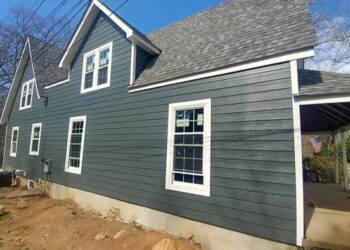
Exploring the impact of siding on home insurance rates opens up a world of possibilities. From the materials used to the maintenance required, every aspect plays a crucial role in determining insurance costs. Let's delve into this intricate relationship and uncover the key factors affecting your insurance premiums.
Impact of Siding Materials on Insurance Rates
When it comes to home insurance rates, the type of siding material used on your house can have a significant impact. Insurance companies assess the risk associated with different siding materials to determine the premiums you will pay.
High-Risk Siding Materials
- Vinyl siding: Vinyl siding is often considered high risk due to its susceptibility to damage from extreme weather conditions such as hail or strong winds.
- Wood siding: Wood siding is another material that insurance companies may view as high risk because it is prone to rot, insect damage, and fire.
- Aluminum siding: Aluminum siding is lightweight and can dent easily, making it a higher risk material in the eyes of insurance companies.
Durable Siding Materials and Lower Premiums
Using durable siding materials such as fiber cement or brick can actually lead to lower insurance premiums. These materials are more resistant to damage from weather, pests, and fire, reducing the risk for insurance companies. As a result, homeowners with durable siding materials may be eligible for discounts on their insurance rates.
Maintenance Requirements and Insurance Costs
Regular maintenance of siding plays a crucial role in determining home insurance rates. Insurance companies often consider the condition of your siding when calculating premiums, as well-maintained siding can help prevent potential damage to your home and reduce the risk of claims.
Impact of Well-Maintained Siding
- Regularly cleaning and inspecting siding can help identify and address any issues before they escalate, reducing the likelihood of damage from mold, rot, or pests.
- Repairing or replacing damaged siding promptly can prevent water infiltration, which can lead to more significant issues like structural damage.
- Applying protective coatings or treatments to siding materials can enhance their durability and resistance to weather elements, prolonging their lifespan.
Impact of Poorly Maintained Siding
- Neglecting maintenance tasks can result in siding deterioration, making your home more vulnerable to weather-related damage and increasing the risk of insurance claims.
- Cracked or loose siding can allow water to seep into your home, leading to interior water damage, mold growth, and potential health hazards.
- Insurance companies may view poorly maintained siding as a sign of neglect, potentially resulting in higher premiums or even coverage denial.
Examples of Maintenance Tasks
- Regularly clean siding to remove dirt, debris, and mold buildup.
- Inspect siding for signs of damage, such as cracks, holes, or warping, and repair them promptly.
- Trim vegetation near siding to prevent moisture retention and pest infestations.
- Apply protective sealants or coatings to enhance siding durability and weather resistance.
Siding and Home Insurance Claims
When it comes to home insurance claims, the condition of your siding plays a crucial role in determining the outcome. Damaged or poorly maintained siding can have a significant impact on insurance coverage and claims processing. Here we will delve into how siding affects home insurance claims and provide tips on ensuring a smooth claims process.
Influence of Siding Condition on Insurance Claims
- Damaged siding can lead to water infiltration and mold growth, resulting in potential claims for water damage or mold remediation.
- Poorly maintained siding increases the risk of structural damage to your home, which may necessitate additional claims for repairs.
- Insurance companies may deny claims related to siding damage if it is deemed to be a result of neglect or lack of proper maintenance.
Impact of Siding Damage on Insurance Coverage
- Insurance policies typically cover sudden and accidental damage, so if your siding is damaged due to a storm or other covered peril, you are likely to receive coverage.
- However, if the damage is a result of wear and tear or lack of maintenance, insurers may reject the claim or provide limited coverage.
- Regularly inspecting and maintaining your siding can help prevent issues and ensure your insurance coverage remains intact.
Tips for Smooth Siding-Related Claims Processing
- Document the condition of your siding regularly through photos or videos to provide evidence in case of a claim.
- Report any siding damage to your insurance company promptly to initiate the claims process as soon as possible.
- Work with reputable contractors for siding repairs or replacements to ensure quality workmanship that meets insurance standards.
Regional Factors and Insurance Rates
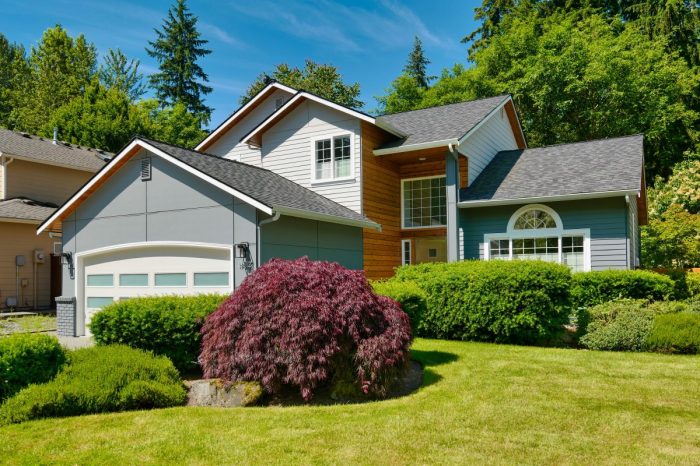
When it comes to home insurance rates related to siding, the location of a home plays a significant role in determining premiums. Factors such as weather conditions and regional building codes can impact insurance costs associated with siding.
Impact of Location on Insurance Rates
Different regions experience varying weather conditions, such as extreme temperatures, high winds, hurricanes, or tornadoes. Homes located in areas prone to natural disasters may face higher insurance premiums due to the increased risk of siding damage. Insurance companies take into account the likelihood of siding damage based on the region's weather patterns, which can affect the overall cost of coverage.
Weather Conditions and Insurance Premiums
Regions that experience harsh weather conditions, like heavy rain, snow, or hail, can lead to increased wear and tear on siding materials. Homes in these areas may require more frequent siding repairs or replacements, which can result in higher insurance rates.
Insurance companies consider the potential for weather-related damage when calculating premiums, adjusting costs accordingly to mitigate risks associated with siding maintenance and repairs.
Regional Building Codes and Insurance Costs
Building codes vary by region and can impact insurance costs related to siding. Homes constructed in compliance with strict building codes are less likely to sustain damage during natural disasters or inclement weather. Insurance companies may offer lower premiums for homes built to specific standards, as they pose a lower risk of siding damage.
Conversely, homes that do not meet regional building codes may face higher insurance rates due to the increased likelihood of structural issues and siding damage.
Wrap-Up
In conclusion, understanding how siding influences home insurance rates is essential for homeowners looking to protect their investment. By grasping the nuances of siding materials, maintenance practices, and regional considerations, you can make informed decisions to secure the best insurance coverage for your home.
Expert Answers
How does the type of siding material affect insurance rates?
The type of siding material can impact insurance rates based on its durability, fire resistance, and susceptibility to damage.
What maintenance tasks can help reduce insurance premiums?
Regularly cleaning and inspecting siding, repairing any damage promptly, and applying protective sealants can help lower insurance costs.
How can siding damage affect insurance coverage?
Siding damage can lead to insurance claims being denied or result in increased premiums due to the perceived risk of further issues.
How do weather conditions in different regions impact insurance premiums?
Regions prone to severe weather may experience higher insurance premiums due to the increased risk of siding damage from storms.





![How To Replace Siding On A House [Step By Step Guide]](https://siding.harianhaluan.com/wp-content/uploads/2025/10/worker-installing-panels-beige-siding-on-the-facade-of-the-house-How-To-Replace-Siding-On-A-House-Step-By-Step-Guide-120x86.png)