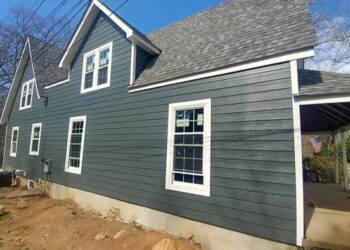
When it comes to selecting the right siding for your home, considering weather resistance is key. From withstanding extreme temperatures to enduring heavy rain and strong winds, the choice of siding material can greatly impact the longevity and appearance of your house.
Let's delve into the essential factors to consider when choosing weather-resistant siding for your specific region.
Factors to Consider
When choosing weather-resistant siding for your region, it is essential to consider various factors that can impact the durability and performance of the materials. From temperature variations to wind resistance, each aspect plays a crucial role in determining the suitability of siding for different regions.
Weather Conditions
- Regions with extreme cold or hot temperatures require siding materials that can withstand these fluctuations without warping or cracking.
- In areas prone to heavy rainfall, siding should be able to repel moisture and prevent water damage to the underlying structure.
- High-wind regions need siding that can resist strong gusts and stay securely in place to avoid damage or detachment.
- In dry climates, siding must be able to endure prolonged exposure to sunlight without fading or deteriorating.
Temperature Variations
- Temperature changes can cause certain siding materials to expand and contract, leading to cracks or gaps that compromise the integrity of the exterior.
- Choosing a siding material that can withstand the temperature fluctuations in your region is crucial to ensure long-term durability and performance.
Wind Resistance
- Strong winds can put significant stress on siding, especially in areas prone to storms or hurricanes.
- Opting for siding materials with high wind resistance ratings can help protect your home from potential damage during severe weather events.
Rainy vs. Dry Regions
- Vinyl siding is a popular choice for rainy regions due to its moisture-resistant properties and low maintenance requirements.
- Fiber cement siding is well-suited for dry regions as it offers excellent durability and resistance to sun exposure.
- Wood siding can be a good option for moderate climates but may require more maintenance in areas with extreme weather conditions.
Types of Weather-Resistant Siding
Vinyl siding, fiber cement siding, engineered wood siding, and metal siding are popular choices for weather-resistant siding options. Each type offers unique benefits and features that make them suitable for different climates and regions.
Vinyl Siding
Vinyl siding is known for its versatility and durability, making it a popular choice for various climates. It is resistant to moisture, rot, and pests, making it ideal for areas with high humidity or frequent rain. Vinyl siding is also available in a wide range of colors and styles, allowing homeowners to customize their exterior look while enjoying low maintenance requirements.
Fiber Cement Siding
Fiber cement siding is a durable option that can withstand harsh weather conditions, including extreme heat, cold, and moisture. It is resistant to rot, fire, and pests, making it a suitable choice for regions with unpredictable weather patterns. Fiber cement siding is also low maintenance and has a long lifespan, making it a cost-effective option for homeowners looking for weather-resistant siding.
Engineered Wood Siding
Engineered wood siding offers the natural look of wood with enhanced durability and weather resistance. It is designed to withstand moisture, rot, and insects, making it a great choice for areas with high humidity or heavy rainfall. Engineered wood siding is also available in a variety of textures and finishes, allowing homeowners to achieve the look of real wood without the maintenance requirements.
Metal Siding
Metal siding is known for its strength and durability, making it a reliable option for regions with extreme weather conditions. It is resistant to fire, rot, and pests, making it a low-maintenance choice for homeowners looking for long-lasting siding. Metal siding is also energy-efficient and can help improve the insulation of a home, making it a practical choice for areas with hot summers or cold winters.
Regional Considerations
When choosing weather-resistant siding for your region, it's important to consider the specific environmental factors that can impact the longevity and durability of the materials. Here are some key considerations based on different regional conditions:
Best Siding for Coastal Regions Prone to Saltwater Exposure
Coastal regions face unique challenges due to saltwater exposure, which can accelerate corrosion and deterioration of siding materials. The best options for these areas are typically materials that are resistant to saltwater, such as fiber cement siding or vinyl siding.
These materials are not only durable but also require minimal maintenance to withstand the harsh coastal conditions.
Impact of Humidity on Siding Materials
High humidity levels can also affect siding materials, leading to issues like mold growth and warping
Weather-Resistant Siding for Areas with Heavy Snowfall
Regions with heavy snowfall require siding materials that can withstand the weight of snow and resist water infiltration. Options like fiber cement siding, engineered wood siding, or metal siding are ideal choices for areas with heavy snowfall. These materials are durable and can provide the necessary protection against the elements during the winter months.
Choosing Siding for Regions with Frequent Storms and High Winds
For regions prone to frequent storms and high winds, it's essential to select siding materials that can withstand strong gusts and impact. Fiber cement siding, metal siding, or stone veneer siding are excellent options for areas with high wind exposure.
These materials are robust and can hold up well against extreme weather conditions, providing long-lasting protection for your home.
Installation and Maintenance Tips
Proper installation and regular maintenance are crucial for maximizing the longevity and weather resistance of siding. By following these guidelines, you can ensure that your siding remains durable and effective in protecting your home.
Proper Installation Techniques
- Ensure the siding is installed according to manufacturer guidelines to prevent water infiltration and damage.
- Use quality materials and fasteners to secure the siding properly to the structure of the house.
- Include proper flashing and sealing around windows, doors, and corners to prevent moisture from seeping behind the siding.
- Consider hiring a professional contractor with experience in installing weather-resistant siding for best results.
Regular Maintenance Practices
- Inspect the siding regularly for signs of damage, such as cracks, chips, or warping, and address any issues promptly.
- Clean the siding at least once a year using a mild detergent and water to remove dirt, grime, and mildew buildup.
- Trim any vegetation near the siding to prevent moisture retention and potential damage.
- Repaint or reseal the siding as needed to maintain its protective barrier against the elements.
Importance of Inspections and Repairs
- Regular inspections can help identify potential problems early and prevent costly damage to the siding and underlying structure.
- Addressing repairs promptly can extend the lifespan of the siding and maintain its weather resistance over time.
- Consult with a professional if you notice any significant damage or issues with your siding to ensure proper repairs are made.
Cleaning and Protecting Siding
- Use a soft brush or cloth to clean the siding to avoid scratching or damaging the surface.
- Consider applying a protective sealant or coating to enhance the durability of the siding and improve its resistance to weather elements.
- Avoid using harsh chemicals or abrasive cleaners that can degrade the siding material and impact its weather resistance.
Epilogue
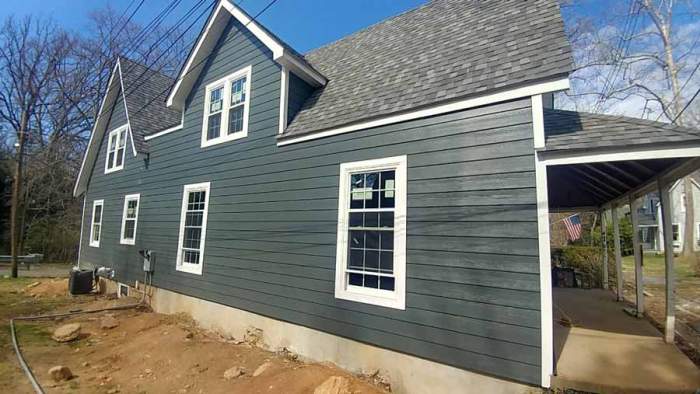
In conclusion, selecting weather-resistant siding tailored to your region can enhance the protection and aesthetics of your home. By understanding the different factors to consider, types of siding available, regional considerations, and maintenance tips, you can make an informed decision that ensures your siding withstands the test of time and nature.
Top FAQs
What are some key factors to consider when choosing weather-resistant siding?
Factors to consider include the weather conditions in your region, temperature variations, wind resistance, and suitability of siding materials for rainy or dry areas.
Which siding material is best for areas with heavy snowfall?
For regions with heavy snowfall, consider using durable materials like fiber cement or metal siding that can withstand the weight and moisture associated with snow.
How important is regular maintenance for weather-resistant siding?
Regular maintenance is crucial to ensure the longevity and effectiveness of weather-resistant siding, especially in challenging climates. Inspections, repairs, and cleaning routines can help protect your siding.






![How To Replace Siding On A House [Step By Step Guide]](https://siding.harianhaluan.com/wp-content/uploads/2025/10/worker-installing-panels-beige-siding-on-the-facade-of-the-house-How-To-Replace-Siding-On-A-House-Step-By-Step-Guide-120x86.png)