When it comes to home upgrades, one often overlooked improvement is insulated siding. This essential component not only enhances the aesthetic appeal of your home but also provides a range of benefits that go beyond traditional siding materials. Let's delve into the world of insulated siding and discover why it's a game-changer for homeowners.
Introduction to Insulated Siding
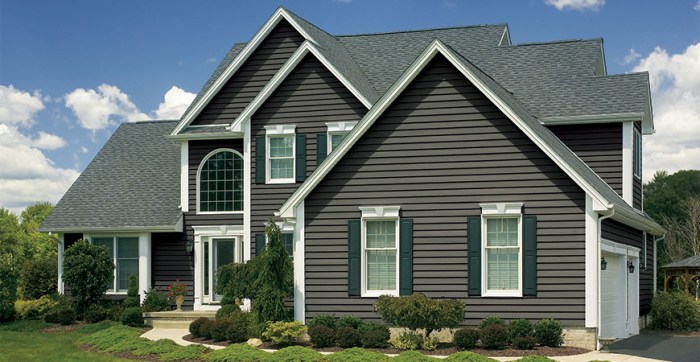
Insulated siding is a type of cladding material for homes that is designed to provide improved energy efficiency and protection compared to traditional siding options. It consists of vinyl or other materials with an added layer of foam insulation backing.Insulated siding offers several benefits over traditional siding materials.
Firstly, it helps to increase the thermal resistance of the home, reducing heat loss in the winter and heat gain in the summer. This can lead to lower energy bills and a more comfortable indoor environment year-round. Additionally, insulated siding can help to reduce noise transmission, increase impact resistance, and enhance the overall durability of the home exterior.There are various types of insulated siding available in the market, including vinyl, fiber cement, and engineered wood options.
Each type offers unique features and benefits, allowing homeowners to choose the best option based on their specific needs and preferences.
Types of Insulated Siding
- Vinyl Insulated Siding: A popular choice known for its low maintenance, durability, and affordability.
- Fiber Cement Insulated Siding: Offers a natural wood look with enhanced durability and resistance to fire, pests, and rot.
- Engineered Wood Insulated Siding: Combines the aesthetics of wood with the durability and low maintenance of engineered materials.
Installation Process
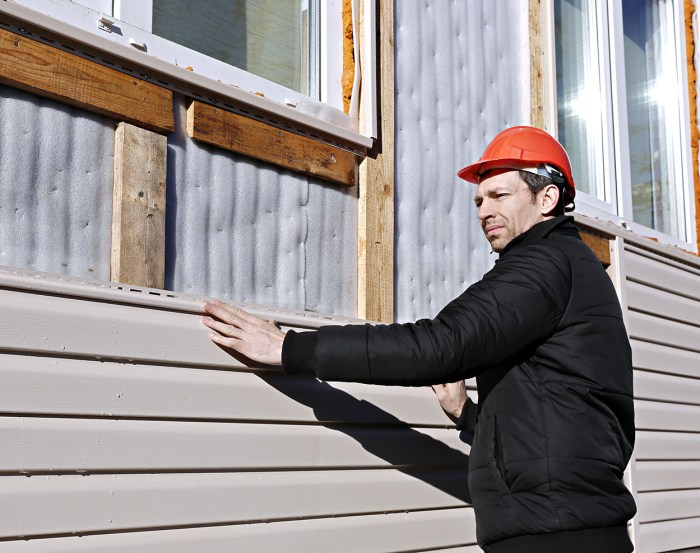
Insulated siding is a popular choice for homeowners looking to upgrade their homes. The installation process for insulated siding involves several key steps that ensure a proper and effective installation.
Preparation
- Before beginning the installation, it is essential to prepare the exterior of the home by cleaning and inspecting the walls for any damage.
- Measurements are taken to determine the amount of siding needed for the project.
Installation Steps
- Start by installing the starter strip at the bottom of the wall to provide a secure base for the siding panels.
- Next, the corner posts are installed to frame the corners of the home.
- The siding panels are then attached to the walls, starting from the bottom and working upwards, ensuring they overlap correctly for maximum insulation.
- Windows, doors, and other openings are trimmed with J-channels to provide a clean finish.
- Finally, the top edge of the siding is capped off with a trim piece to complete the installation.
Comparison with Other Siding Materials
Installing insulated siding differs from other siding materials like vinyl or wood due to the added layer of insulation that provides improved energy efficiency. While the basic installation steps may be similar, the additional insulation layer requires special attention to ensure a proper fit and maximum benefit.
Special Tools and Techniques
- Special tools such as a vinyl siding cutter, snap lock punch, and zip tool may be required for cutting and securing the siding panels.
- Techniques such as properly overlapping the siding panels and ensuring a tight fit around windows and doors are crucial for an effective installation.
Energy Efficiency

Insulated siding plays a crucial role in improving the energy efficiency of a home by providing an additional layer of insulation that helps regulate indoor temperatures. This can lead to significant cost savings on heating and cooling expenses while also reducing the overall energy consumption of the household.
Energy Savings
- Studies have shown that using insulated siding can result in energy savings of up to 20% annually.
- By reducing heat loss in the winter and heat gain in the summer, insulated siding helps maintain a consistent indoor temperature without overworking the heating and cooling systems.
- These energy savings can translate to hundreds of dollars saved each year on utility bills, making insulated siding a cost-effective investment in the long run.
Maintaining Comfortable Indoor Temperature
- Insulated siding acts as a thermal barrier, preventing outdoor temperatures from affecting the indoor climate of a home.
- By minimizing drafts and temperature variations, insulated siding helps create a more comfortable living environment for occupants throughout the year.
- With better temperature control, homeowners can enjoy a cozy home in the winter and a cool retreat in the summer, without constantly adjusting the thermostat.
Maintenance and Durability
Insulated siding offers several advantages when it comes to maintenance and durability compared to traditional siding options. Let's delve into the details.
Maintenance Requirements
Insulated siding requires minimal maintenance compared to traditional siding materials such as wood or vinyl. Regular cleaning with a mixture of mild soap and water is usually sufficient to keep insulated siding looking its best. It is important to inspect the siding periodically for any signs of damage or wear and tear.
Durability and Resistance
Insulated siding is highly durable and can withstand harsh weather conditions, including strong winds and extreme temperatures. It is also resistant to common issues like rot, mold, and pests that can plague traditional siding materials. This makes insulated siding a long-lasting and cost-effective option for homeowners.
Tips for Extending Lifespan
- Regularly clean the siding to prevent dirt and debris buildup.
- Inspect for any signs of damage and address them promptly to prevent further issues.
- Consider applying a protective coating to enhance the siding's durability and longevity.
- Trim any nearby trees or bushes to prevent damage from branches rubbing against the siding.
- Ensure proper installation to minimize the risk of water infiltration and other potential problems.
End of Discussion
In conclusion, insulated siding emerges as a crucial yet underrated element in enhancing homes. Its energy-efficient properties, easy maintenance requirements, and durability make it a standout choice for those looking to elevate their living spaces. Consider insulated siding for your next home upgrade and experience the difference it can make.
FAQ Insights
Is insulated siding more expensive than traditional siding?
While the initial cost of insulated siding may be higher, the long-term energy savings and durability often make it a cost-effective choice.
Can I install insulated siding on my own?
While it's possible for experienced DIYers, it's recommended to hire professionals for proper installation to ensure optimal performance.
Does insulated siding require special maintenance?
Insulated siding typically requires less maintenance compared to traditional siding, but regular cleaning and inspections are still necessary to prolong its lifespan.






![How To Replace Siding On A House [Step By Step Guide]](https://siding.harianhaluan.com/wp-content/uploads/2025/10/worker-installing-panels-beige-siding-on-the-facade-of-the-house-How-To-Replace-Siding-On-A-House-Step-By-Step-Guide-120x86.png)