Latest Siding Trends in Urban European Architecture sets the stage for this enthralling narrative, offering readers a glimpse into a story that is rich in detail and brimming with originality.
Exploring the evolution of siding materials, popular choices, color trends, and innovative design approaches in urban European architecture, this topic promises to captivate and inform.
Overview of Urban European Architecture
Urban architecture in Europe boasts a rich history dating back centuries, with each era leaving its mark on the landscape of cities across the continent.
Key characteristics of European urban architectural styles include a mix of classical, Gothic, Renaissance, Baroque, Neoclassical, and modernist influences. These diverse styles have shaped the unique and varied cityscapes seen throughout Europe.
Influence of Cultural Diversity on Urban Architecture in Europe
The cultural diversity of Europe has had a profound impact on urban architecture, with each region and city reflecting its own distinct heritage and traditions in the design of buildings and structures.
- Historic cities like Rome, Paris, and Barcelona showcase architectural elements influenced by ancient civilizations, medieval times, and the Renaissance.
- Eastern European cities such as Prague and Budapest display a blend of Gothic, Baroque, and Art Nouveau styles, influenced by their rich cultural history.
- Modern cities like London, Berlin, and Copenhagen feature a mix of historic buildings alongside contemporary architectural marvels, symbolizing the evolution of urban design in response to changing societal needs and trends.
Evolution of Siding Trends in Urban European Architecture
Throughout the history of European urban architecture, the choice of siding materials has evolved significantly to meet changing needs and aesthetic preferences.
Traditional Siding Materials
In the past, European urban architecture predominantly used natural materials such as wood, stone, and clay for siding. These materials not only provided a classic and timeless look but also offered durability and insulation.
Modern Alternatives
With advancements in technology and construction techniques, modern alternatives to traditional siding materials have emerged. Materials like vinyl, fiber cement, and metal now offer a wider range of options in terms of colors, textures, and finishes.
Impact of Environmental Sustainability
Environmental sustainability has played a significant role in shaping siding choices in urban European architecture. There is a growing emphasis on using eco-friendly materials such as recycled wood, natural stone, and fiber cement that have a lower environmental impact and contribute to energy efficiency.
Popular Siding Materials in Urban European Architecture
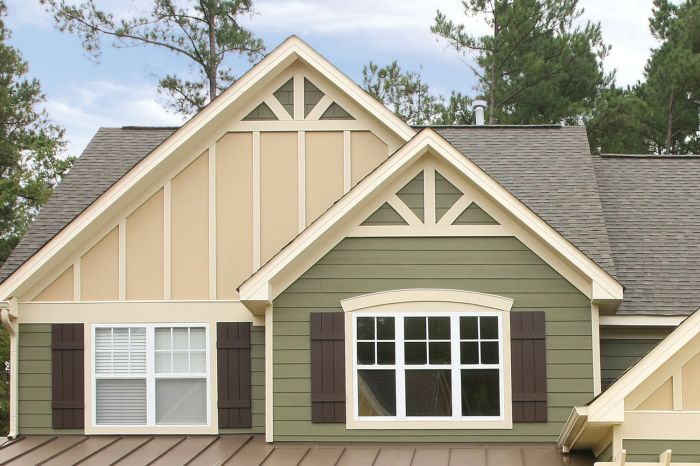
When it comes to urban European architecture, there are several popular siding materials that are commonly used due to their aesthetic appeal and durability. These materials not only enhance the overall look of buildings but also provide protection against the elements.
Brick
Brick is a classic siding material that is widely used in urban European architecture. It offers a timeless and elegant look, adding a sense of history and tradition to buildings. Brick siding is known for its durability and low maintenance requirements, making it a popular choice for various architectural styles.
Wood
Wood siding is another common choice in urban European architecture, especially in Scandinavian countries. It provides a warm and natural aesthetic that blends well with the surrounding environment. Wood siding can be painted or stained in different colors to suit different architectural styles, from traditional to modern.
Stucco
Stucco is a versatile siding material that is frequently used in Mediterranean-inspired architecture. It offers a smooth and seamless finish that can be tinted in various shades. Stucco siding is known for its longevity and ability to withstand harsh weather conditions, making it a popular choice in urban European settings.
Metal
Metal siding, such as steel or aluminum, is gaining popularity in contemporary urban European architecture. It offers a sleek and modern look that complements minimalist and industrial architectural styles. Metal siding is also highly durable and resistant to fire, making it a practical choice for urban environments.
Color Trends in Siding for Urban European Buildings
When it comes to urban European architecture, color trends in siding play a crucial role in defining the overall aesthetic of buildings. The choice of colors can significantly impact the visual appeal, style, and character of these structures, reflecting the cultural influences and design preferences of the region.
Current Color Trends
- Earthy Tones: Neutral shades like beige, taupe, and gray are popular choices for siding in urban European buildings. These colors blend seamlessly with the surrounding environment and provide a timeless look.
- Bold Hues: In contrast to the traditional neutral palette, some buildings opt for bold colors like deep blues, forest greens, and terracotta reds to make a striking statement in the urban landscape.
- Monochromatic Schemes: Black and white combinations are also gaining popularity, offering a modern and sophisticated appearance to urban structures.
Impact on Aesthetic
The color choices in siding can completely transform the visual impact of urban European buildings. Earthy tones create a harmonious and understated elegance, while bold hues inject vibrancy and personality. Monochromatic schemes add a sense of minimalism and contemporary flair to the architecture.
Cultural Influences
- Historical Significance: Some color choices in urban European architecture may be influenced by historical landmarks or traditional building materials prevalent in the region.
- Regional Preferences: Certain regions may have specific color palettes that reflect the local culture, climate, or landscape, influencing the siding choices in urban architecture.
- Modern Trends: With globalization and modernization, urban European buildings may incorporate international color trends while still maintaining a sense of cultural identity.
Innovative Design Approaches in Siding for Urban European Buildings
Architects in urban European settings are constantly pushing boundaries when it comes to siding design. They are integrating innovative approaches to create unique and visually striking buildings that redefine architectural norms.
Integration of Sustainable Materials
One innovative design approach involves the integration of sustainable materials into siding for urban European buildings. Architects are increasingly using materials like reclaimed wood, recycled metal, and eco-friendly composites to enhance the aesthetic appeal of buildings while also reducing their environmental impact.
Mixing Traditional and Modern Elements
Another trend in siding design is the blending of traditional and modern elements. Architects are combining classic siding materials like brick or stone with contemporary materials such as metal panels or glass to create a harmonious contrast that adds depth and character to urban buildings.
Interactive Siding Designs
Some architects are taking siding design to the next level by incorporating interactive elements. For example, using movable panels or kinetic facades that respond to environmental conditions or user interactions. These dynamic designs not only enhance the aesthetic appeal of buildings but also offer functional benefits like sun shading or ventilation control.
Epilogue
As we conclude our exploration of the latest siding trends in urban European architecture, it's evident that the dynamic interplay between tradition and innovation continues to shape the urban landscape. Stay tuned for more exciting developments in this ever-evolving field.
FAQ Section
What are some common siding materials used in urban European architecture?
Common siding materials include wood, metal, fiber cement, and vinyl, each offering unique benefits in terms of aesthetics and durability.
How do color choices impact the overall aesthetic of urban European buildings?
Color choices play a crucial role in defining the character and style of buildings, influencing how they blend into or stand out in the urban landscape.
Can you provide examples of innovative siding design approaches in urban European architecture?
Innovative approaches include using unconventional materials, creating geometric patterns with siding, and integrating green walls for a sustainable touch.






![How To Replace Siding On A House [Step By Step Guide]](https://siding.harianhaluan.com/wp-content/uploads/2025/10/worker-installing-panels-beige-siding-on-the-facade-of-the-house-How-To-Replace-Siding-On-A-House-Step-By-Step-Guide-120x86.png)