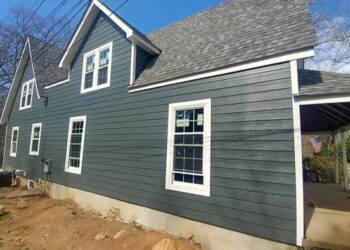
Embark on a journey through the world of Siding Materials That Boost Home Energy Efficiency, uncovering the key aspects that can transform your home into an energy-efficient oasis. From reducing costs to enhancing comfort, this topic delves into the essential elements that make a difference.
Benefits of Energy-Efficient Siding Materials
Using siding materials that boost home energy efficiency comes with numerous advantages for homeowners. These materials are specially designed to provide better insulation and reduce heat transfer, ultimately leading to lower energy costs and enhanced comfort within the home.
Cost Savings on Energy Bills
Energy-efficient siding materials act as a barrier against outdoor elements, preventing heat loss during the winter and heat gain during the summer. This enhanced insulation helps to maintain a consistent indoor temperature, reducing the reliance on heating and cooling systems.
As a result, homeowners can expect to see a significant decrease in their monthly energy bills.
Improved Comfort and Temperature Regulation
By effectively sealing the home and minimizing air leakage, energy-efficient siding materials create a more comfortable indoor environment. Homeowners can enjoy consistent temperatures throughout the year, without experiencing drafts or hot/cold spots. This improved temperature regulation not only enhances comfort but also contributes to a healthier living space.
Enhanced Durability and Longevity
In addition to energy savings and comfort benefits, energy-efficient siding materials are known for their durability and longevity. These materials are designed to withstand harsh weather conditions, resist moisture and mold growth, and maintain their aesthetic appeal over time. With minimal maintenance requirements, homeowners can enjoy the long-term benefits of these high-quality siding options.
Types of Siding Materials for Energy Efficiency
When it comes to enhancing energy efficiency in homes, the choice of siding materials plays a crucial role. Different types of siding materials offer varying levels of energy savings due to their specific features and composition.
Vinyl Siding
- One of the most popular choices for siding due to its affordability and low maintenance requirements.
- Provides decent insulation properties, reducing heat transfer and helping to maintain a consistent indoor temperature.
- Available in a variety of colors and styles to suit different aesthetic preferences.
Wood Siding
- Natural and eco-friendly option that offers good insulation properties.
- Helps regulate indoor temperature by absorbing and releasing moisture, reducing the need for additional heating or cooling.
- Requires regular maintenance to prevent rotting or warping, but with proper care, can last for many years.
Fiber Cement Siding
- Durable and resistant to rot, fire, and pests, making it a low-maintenance option.
- Provides excellent thermal insulation, helping to reduce energy consumption for heating and cooling.
- Available in various textures and finishes, mimicking the look of wood or stucco.
Insulated Siding
- Comes with a layer of foam insulation attached to the back of the siding panels, enhancing thermal performance.
- Offers superior energy efficiency by reducing heat loss and air infiltration, resulting in lower utility bills.
- Helps maintain a comfortable indoor environment by minimizing temperature fluctuations.
Installation Considerations for Energy-Efficient Siding
Proper installation of energy-efficient siding is crucial to maximize its benefits and improve the overall energy efficiency of your home. This involves ensuring proper insulation, sealing, and considering the orientation and design of the siding.
Proper Insulation and Sealing
Before installing energy-efficient siding, it is essential to ensure that your home is properly insulated and sealed. This helps prevent air leakage and maintains a consistent indoor temperature, reducing the workload on heating and cooling systems.
- Make sure to inspect and repair any existing insulation and seal any gaps or cracks in the walls.
- Consider adding additional insulation if needed to improve energy efficiency further.
- Properly seal around windows, doors, and other openings to prevent air leaks.
Orientation and Design Impact
The orientation and design of your siding can also impact the energy efficiency of your home. Here are some considerations:
- Opt for light-colored siding to reflect sunlight and reduce heat absorption, especially in warmer climates.
- Consider the direction your home faces to maximize or minimize exposure to the sun, depending on your climate.
- Choose insulated siding materials with a high R-value to improve thermal resistance and energy efficiency.
Maintenance and Longevity of Energy-Efficient Siding
When it comes to energy-efficient siding, proper maintenance is essential to ensure the longevity of the material and its energy-saving properties. Regular upkeep can go a long way in protecting your investment and maximizing the benefits of energy-efficient siding.
Maintenance Requirements for Different Types of Energy-Efficient Siding Materials
- Vinyl Siding: Vinyl siding is relatively low maintenance, requiring occasional cleaning with a mild detergent and water to remove dirt and grime. Inspect for any cracks or damage that may compromise energy efficiency.
- Fiber Cement Siding: Fiber cement siding is durable but may require repainting every 5-10 years. Regular inspections for cracks, peeling paint, or water damage are crucial to maintain energy efficiency.
- Wood Siding: Wood siding needs regular staining or painting to protect it from the elements and maintain its energy-saving properties. Inspect for signs of rot, mold, or insect damage.
- Composite Siding: Composite siding is low maintenance but may require occasional cleaning to remove dirt and debris. Inspect for any signs of warping or damage that could impact energy efficiency.
Recommendations for Protecting Energy-Efficient Siding
- Regular Cleaning: Keep your siding clean by washing it with a mild detergent and water at least once a year to prevent dirt and debris buildup.
- Inspect Annually: Conduct a yearly inspection of your siding to check for any signs of damage, such as cracks, peeling paint, or water infiltration.
- Address Repairs Promptly: If you notice any issues with your siding, such as cracks or damage, address them promptly to prevent further deterioration and maintain energy efficiency.
- Trim Vegetation: Trim any trees or bushes near your siding to prevent damage from branches rubbing against the material and to maintain proper airflow.
Summary
In conclusion, Siding Materials That Boost Home Energy Efficiency offer a plethora of benefits that can revolutionize the way homeowners experience their living spaces. By choosing the right materials and paying attention to installation and maintenance, the path to a more energy-efficient home becomes clearer and more attainable.
Frequently Asked Questions
What are the key advantages of energy-efficient siding materials?
Energy-efficient siding materials can help reduce energy costs, improve comfort levels, and regulate temperatures inside the home more effectively.
Which types of siding materials are known to enhance energy efficiency?
Materials such as vinyl, wood, fiber cement, and insulated siding are recognized for their energy-saving properties.
How can proper installation maximize the benefits of energy-efficient siding?
Proper insulation, sealing, and attention to orientation and design during installation play crucial roles in optimizing energy efficiency.
What maintenance practices can prolong the lifespan of energy-efficient siding?
Regular upkeep, following manufacturer recommendations, and protecting siding from wear and tear can extend its longevity and energy-saving capabilities.






![How To Replace Siding On A House [Step By Step Guide]](https://siding.harianhaluan.com/wp-content/uploads/2025/10/worker-installing-panels-beige-siding-on-the-facade-of-the-house-How-To-Replace-Siding-On-A-House-Step-By-Step-Guide-120x86.png)