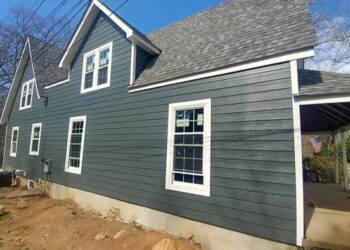
Exploring the crucial role of siding in Passive House Design, this article invites readers into a world where sustainable materials and energy efficiency merge to create environmentally conscious homes.
Delve into the realm of siding choices and their impact on the performance of Passive Houses, setting the stage for a comprehensive discussion ahead.
Importance of Siding in Passive House Design
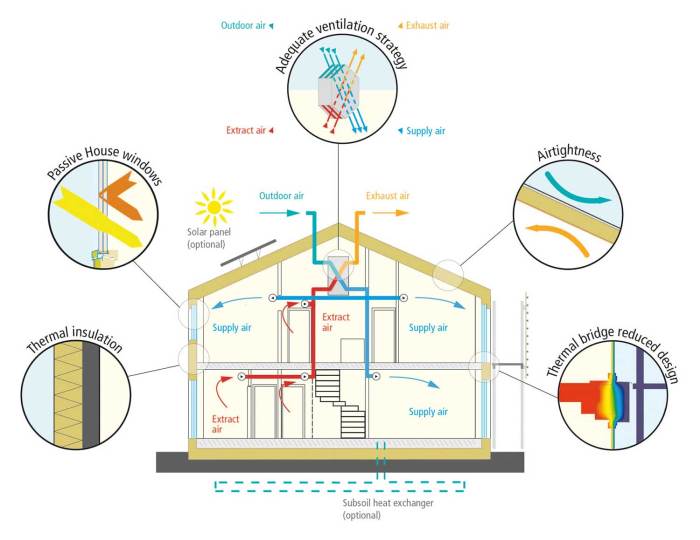
When it comes to passive house design, siding plays a crucial role in enhancing energy efficiency and overall performance. The choice of siding material can greatly impact the insulation, airtightness, and thermal bridging of a passive house.
Sustainable Siding Materials
There are several sustainable siding materials commonly used in passive house construction, including:
- Wood: A natural and renewable material that provides good insulation properties when properly installed.
- Fiber Cement: Durable, low-maintenance, and resistant to fire, insects, and rot.
- Recycled Metal: Offers longevity and recyclability, making it an eco-friendly choice.
- Stone or Brick Veneer: Provides excellent thermal mass, helping to regulate indoor temperatures.
Impact on Overall Performance
The choice of siding can significantly impact the overall performance of a passive house. For example, using high-quality insulated siding can improve the building's energy efficiency by reducing heat loss and minimizing thermal bridging. Additionally, siding materials with low maintenance requirements can contribute to the longevity and sustainability of the passive house over time.
Types of Siding Suitable for Passive House Design
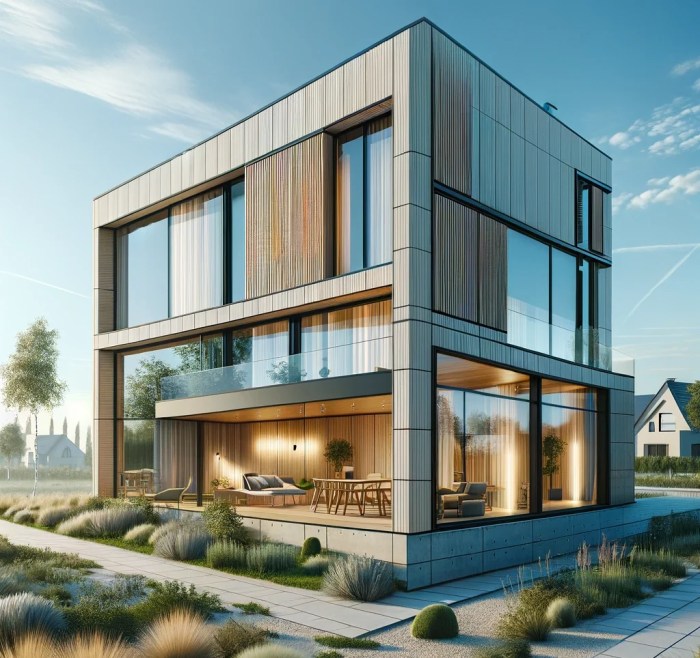
When it comes to choosing siding materials for passive house construction, it's important to consider factors such as insulation properties and sustainability. Different types of siding materials offer varying levels of performance in these areas. Let's explore the characteristics of some popular siding options like wood, fiber cement, and metal in the context of passive house design.
Wood Siding
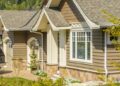
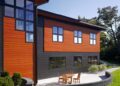
Wood siding is a traditional and natural option for passive house design. It provides good insulation properties, helping to regulate indoor temperatures. However, wood siding requires regular maintenance to prevent rot and decay. While it is a renewable resource, sourcing sustainable wood is crucial for minimizing environmental impact.
Fiber Cement Siding
Fiber cement siding is a durable and low-maintenance option for passive house design. It offers excellent insulation and fire resistance properties, making it a popular choice for energy-efficient homes. Additionally, fiber cement siding is made from a combination of sand, cement, and cellulose fibers, ensuring a sustainable and eco-friendly choice.
Metal Siding
Metal siding is known for its longevity and resistance to pests and rot, making it a durable option for passive house construction. While metal siding may not provide as much insulation as other materials, it can be paired with additional insulation layers to enhance energy efficiency.
Metal siding is also recyclable, adding to its sustainability credentials.
Installation Considerations for Siding in Passive House Design
Proper installation techniques for siding in passive houses are crucial to ensure the overall performance and energy efficiency of the building. The way siding is installed can impact the airtightness, moisture management, and thermal performance of the structure.
Importance of Air Sealing and Moisture Management
- Air sealing is essential to prevent air leakage through the siding, which can compromise the energy efficiency of the passive house.
- Moisture management is crucial to avoid the accumulation of moisture behind the siding, which can lead to mold growth and structural damage.
- Proper flashing and sealing around windows, doors, and other openings are key to maintaining airtightness and preventing moisture infiltration.
Tips for Ensuring Airtightness and Thermal Performance
- Use a weather-resistant barrier behind the siding to provide an additional layer of protection against moisture and air infiltration.
- Install siding with precision to eliminate gaps and ensure a tight fit, reducing the chances of air leakage.
- Consider using insulated siding or adding insulation layers to improve the thermal performance of the building envelope.
- Regularly inspect and maintain the siding to address any issues promptly and prevent potential air leakage or moisture problems.
Maintenance and Longevity of Siding in Passive House Design
Proper maintenance is crucial for ensuring the longevity and performance of siding in passive house construction. Different siding materials have varying maintenance requirements, and following the right care and upkeep practices can greatly impact the durability of the siding.
Maintenance Requirements of Different Siding Materials
- Wood Siding: Regularly inspect for rot, mold, or insect damage. Apply a fresh coat of paint or sealant every few years to protect against moisture.
- Fiber Cement Siding: Clean regularly to prevent dirt buildup. Inspect for cracks or chips and repair promptly. Repainting may be required every 10-15 years.
- Vinyl Siding: Wash with mild soap and water annually to remove dirt and grime. Check for any cracks or warping that may indicate replacement is needed.
- Metal Siding: Inspect for rust or corrosion, especially in coastal areas. Apply a protective coating as needed to prevent deterioration.
Prolonging Longevity of Siding in a Passive House
- Regular Cleaning: Keep siding clean to prevent mold, mildew, and dirt buildup that can compromise its integrity.
- Prompt Repairs: Address any damage or wear immediately to prevent further deterioration and maintain the structural integrity of the siding.
- Proper Ventilation: Ensure proper ventilation behind the siding to prevent moisture buildup and potential rot or mold growth.
- Annual Inspections: Conduct thorough inspections annually to identify any issues early and address them before they escalate.
Strategies for Ensuring Durability and Performance
- Choose High-Quality Materials: Invest in high-quality siding materials that are durable and resistant to the elements for long-lasting performance.
- Follow Manufacturer Guidelines: Adhere to the manufacturer's recommendations for installation, maintenance, and repairs to maximize the lifespan of the siding.
- Proper Installation: Ensure siding is installed correctly, with proper flashing and sealing, to prevent water infiltration and damage.
- Regular Inspections: Stay vigilant with regular inspections to catch any issues early and prevent costly repairs or replacements in the future.
Wrap-Up
In conclusion, the significance of siding in Passive House Design cannot be understated, as it not only enhances energy efficiency but also contributes to the overall sustainability of the structure. Dive into the world of siding choices with confidence, knowing their impact on creating environmentally responsible homes.
Detailed FAQs
What siding materials are commonly used in Passive House Design?
Commonly used siding materials include wood, fiber cement, and metal, all chosen for their sustainability and durability in enhancing energy efficiency.
How does proper installation of siding impact the performance of a Passive House?
Proper installation ensures air sealing and moisture management, crucial for maintaining the energy efficiency and structural integrity of a Passive House.
What are some strategies for prolonging the longevity of siding in a Passive House?
Regular maintenance and proper care are key to extending the lifespan of siding in a Passive House, preserving its durability and performance over time.





![How To Replace Siding On A House [Step By Step Guide]](https://siding.harianhaluan.com/wp-content/uploads/2025/10/worker-installing-panels-beige-siding-on-the-facade-of-the-house-How-To-Replace-Siding-On-A-House-Step-By-Step-Guide-120x86.png)